City hall-Japan, Kawasaki
Architectural Competition
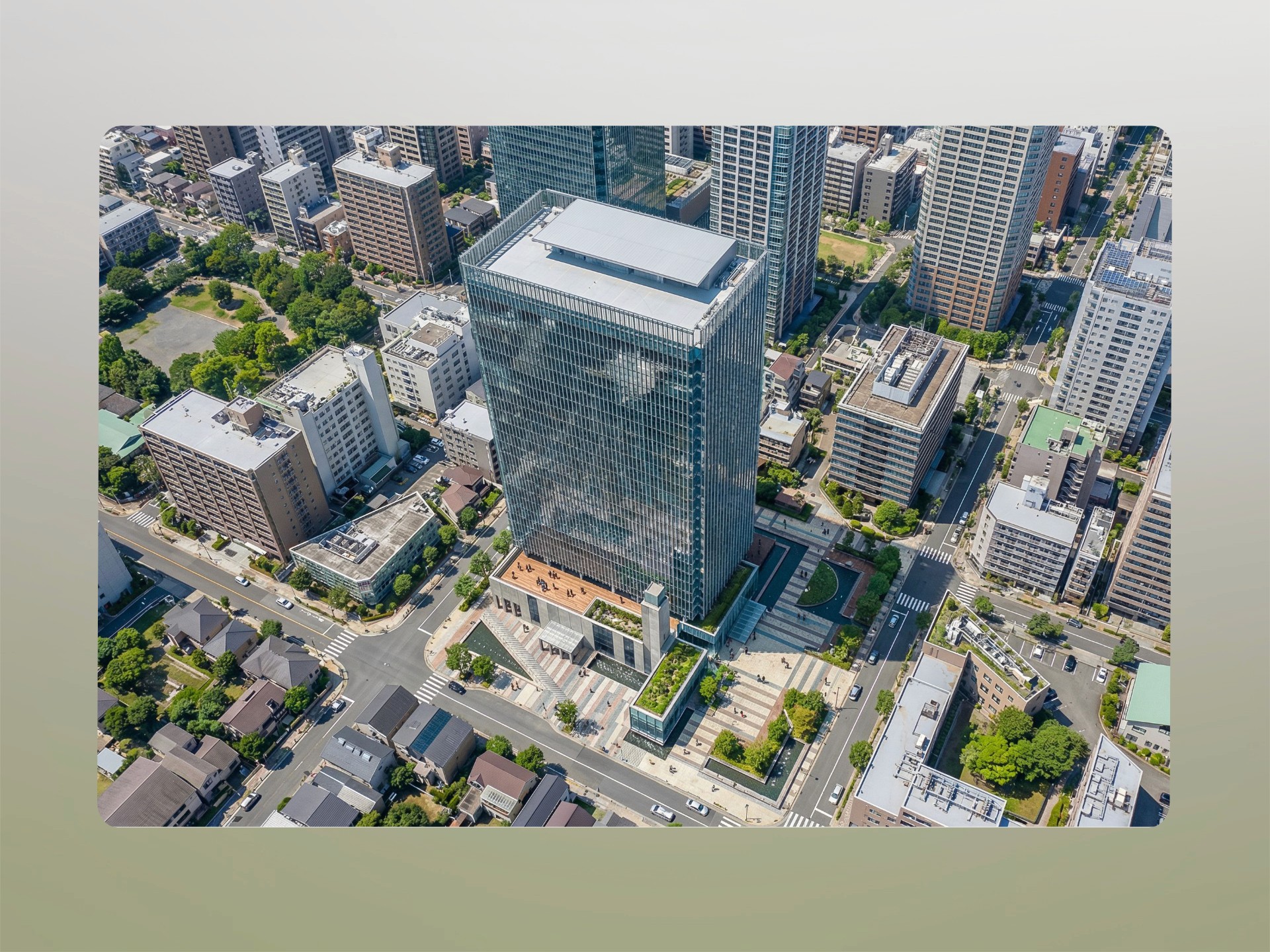
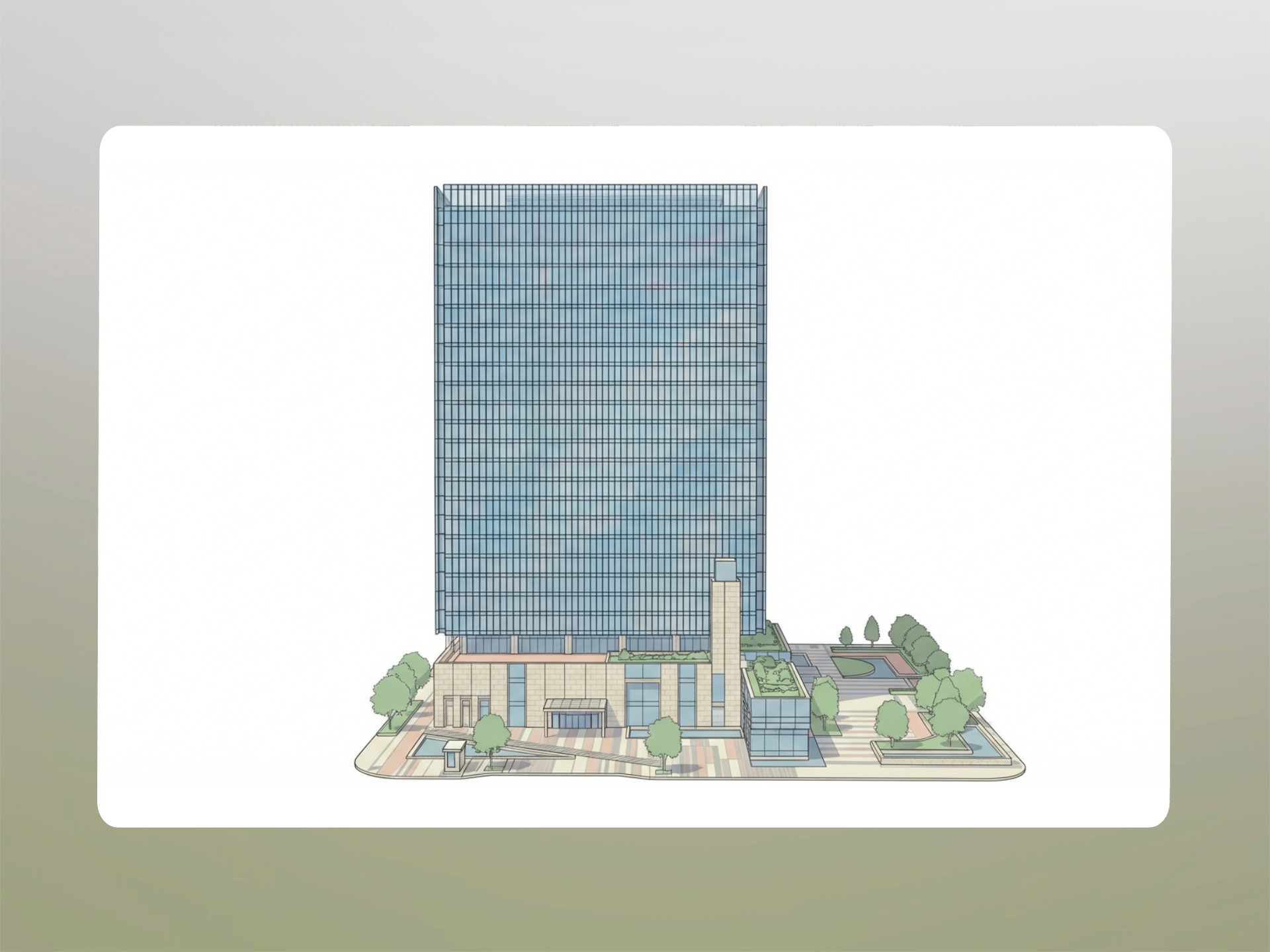
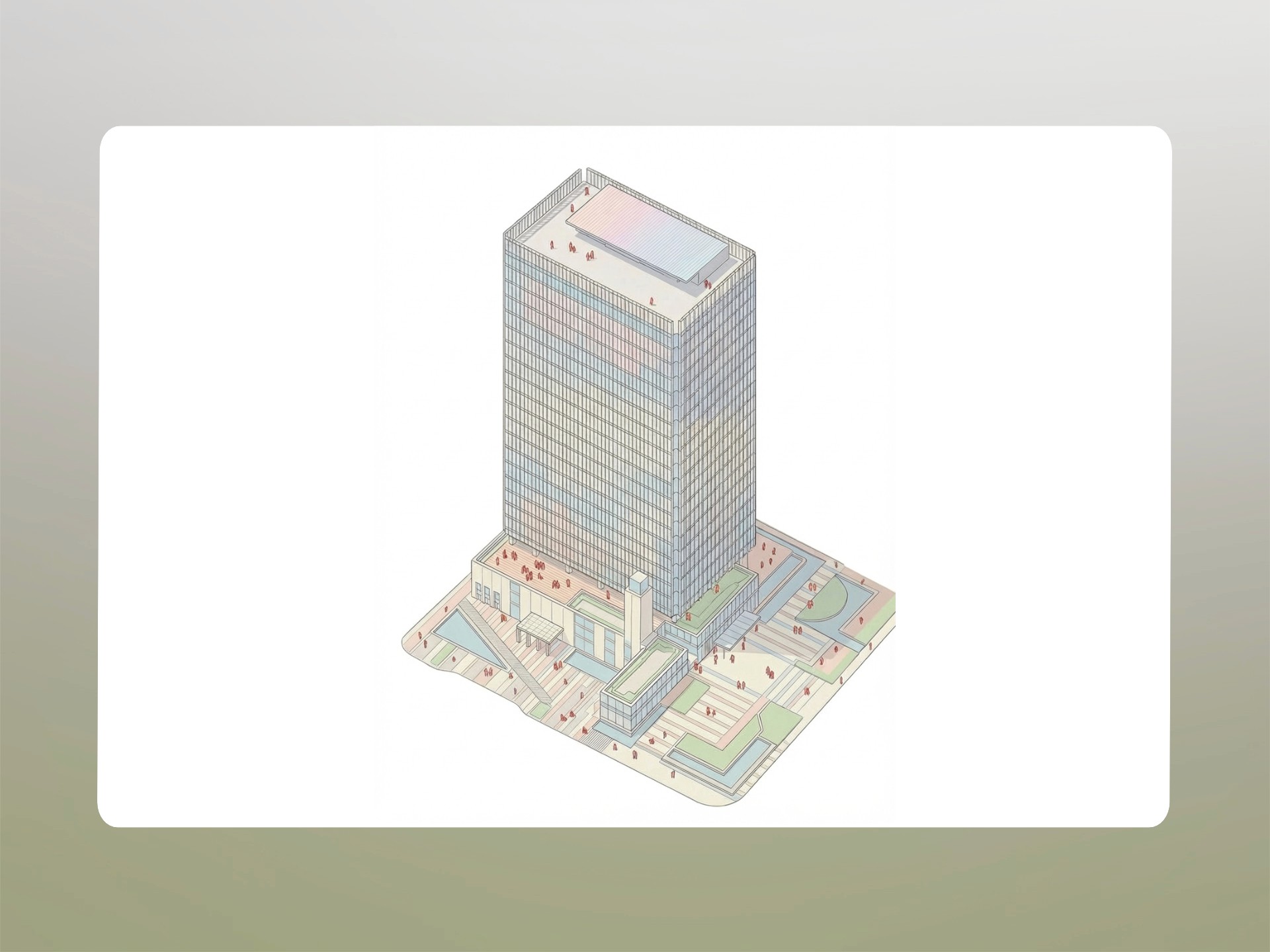
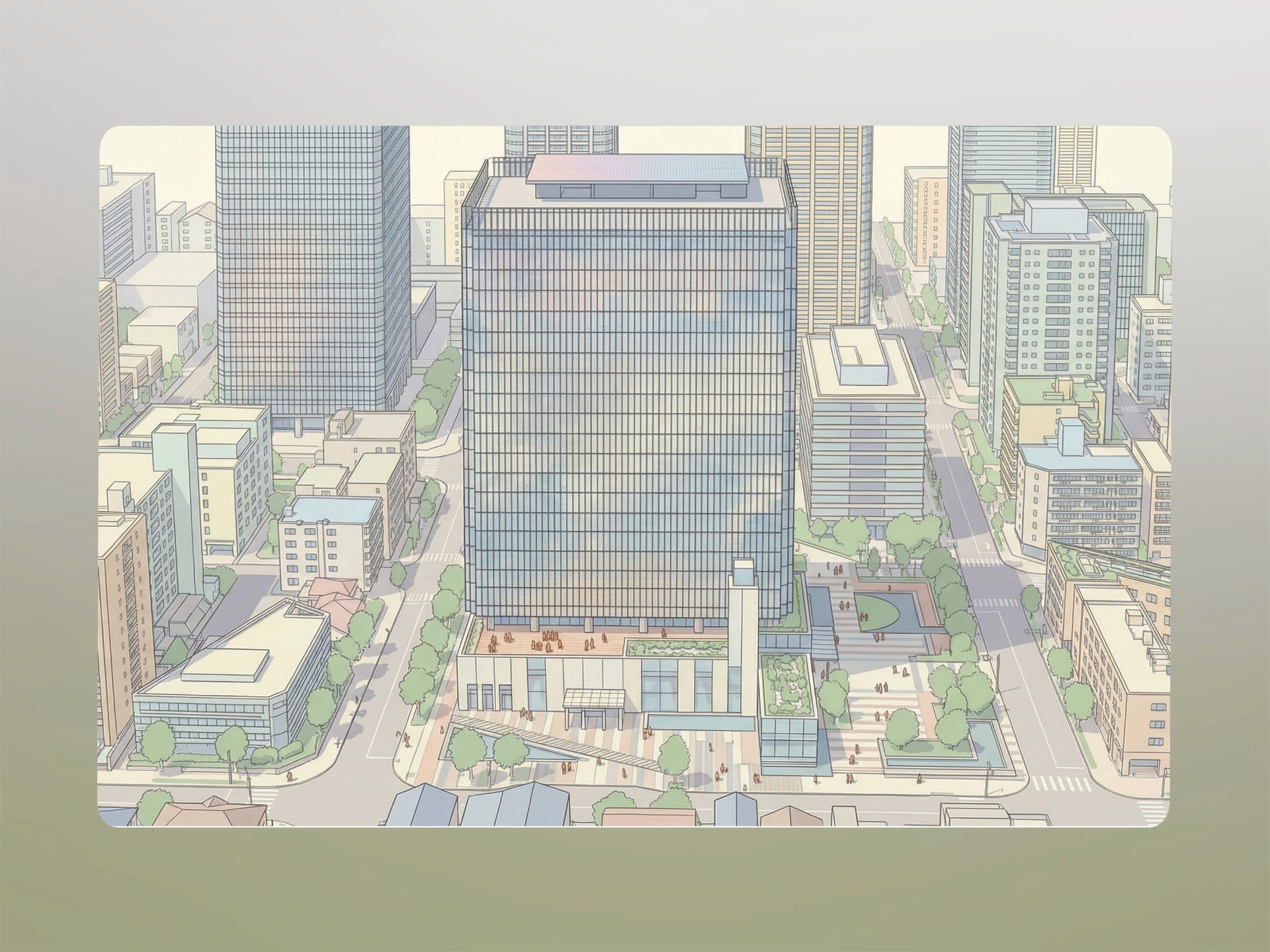
The proposal envisions a contemporary City Hall as a vertical civic campus that combines administration, public services, and community space within a compact urban footprint. A transparent tower rises from a multi-level podium that extends the public realm through stepped plazas, landscaped terraces, and open gathering areas. The ground floor is designed as a permeable civic forum, seamlessly connecting surrounding streets to interior public functions. The architecture emphasizes clarity, lightness, and accessibility. A refined glass façade expresses institutional transparency, while integrated greenery and roof gardens introduce nature into the dense city context. Structurally rational and seismically resilient, the building reflects Japanese precision and respect for urban harmony, creating a forward-looking yet context-sensitive landmark for the city. To update the project and enhance its clarity, I developed a new series of visualizations using AI-based rendering tools. This approach allowed me to refine materials, lighting, and atmosphere while maintaining the original architectural intent. The updated graphics communicate spatial qualities more clearly, strengthen the project’s identity, and present the design in a more contemporary and compelling way.
Client:
Kawasaki
Role:
Concept architect
Year:
2016/2026
Visualizations:
Cezary Dalek
Challenge
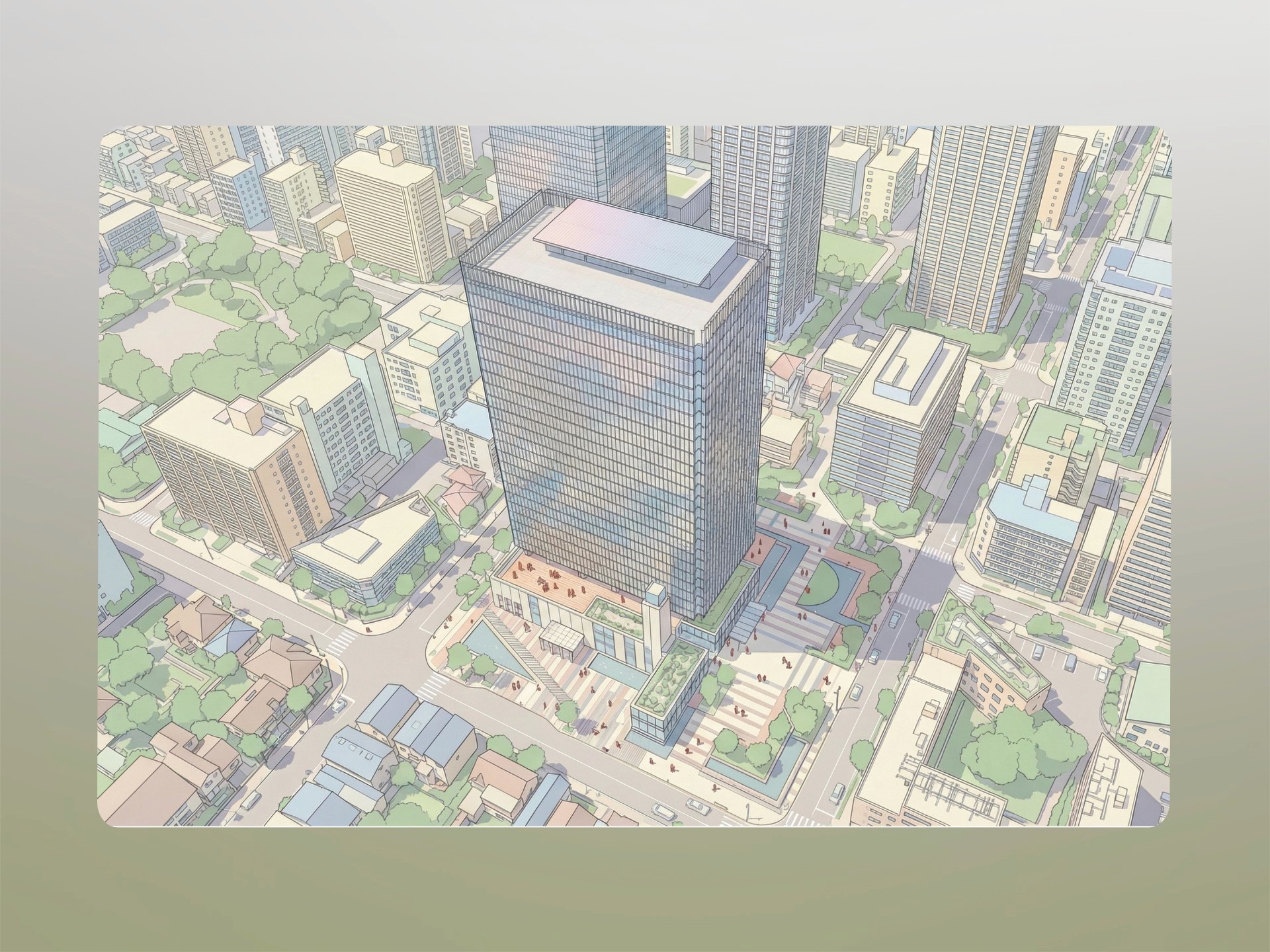
Designing a proposal for a City Hall competition in Japan required balancing contemporary architectural expression with the cultural, spatial, and urban sensitivities of a dense Japanese city. The site demanded a strong civic presence while respecting the surrounding mid- and high-rise fabric. Key challenges included integrating public space at multiple levels, ensuring seismic resilience, and creating a building that feels open and democratic rather than monumental and closed.
Objective
The objective was to create a vertically organized civic hub that combines administrative efficiency with generous public accessibility. The design introduces a permeable ground floor, stepped plazas, and elevated green terraces to extend the public realm into and onto the building. The tower form establishes a clear urban landmark, while the podium activates the street edge and connects to surrounding pedestrian flows. Sustainability, daylight optimization, and structural clarity were guiding principles throughout the concept development.
Results
The final proposal presents a transparent, elegant civic landmark that integrates greenery, public terraces, and layered plazas into a cohesive urban composition. The project strengthens the connection between government and citizens by transforming City Hall into an accessible civic platform rather than a closed institution. The design achieves a balance between iconic presence and contextual sensitivity, offering a resilient, future-oriented identity for the city.